Blog Left Sidebar

Bangladesh sets up five panels to strengthen trade logistics

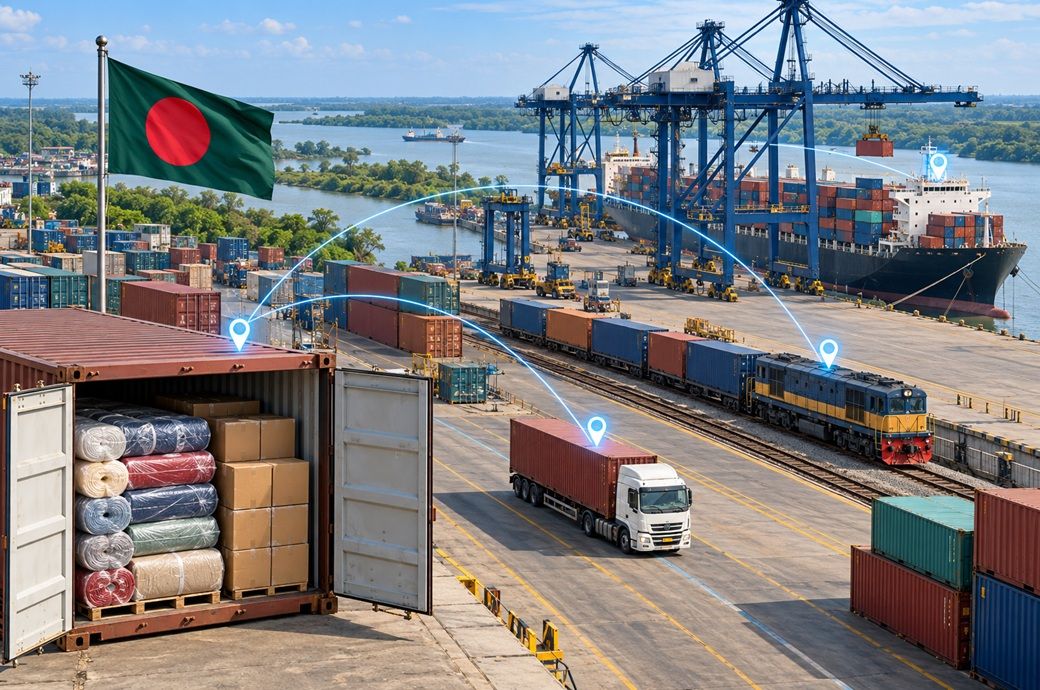
Bangladesh has set up five working groups to put the National Logistics Policy 2025 into action for trade and supply-chain efficiency.
The panels cover digitalisation, investment, skills, multimodal infrastructure and trade facilitation, areas critical to apparel exports.
The move follows warnings that high logistics costs and port delays are hurting competitiveness.Read More

25.09.2026Comments Off
ICE cotton gains on US export sales; harvest pressure persists

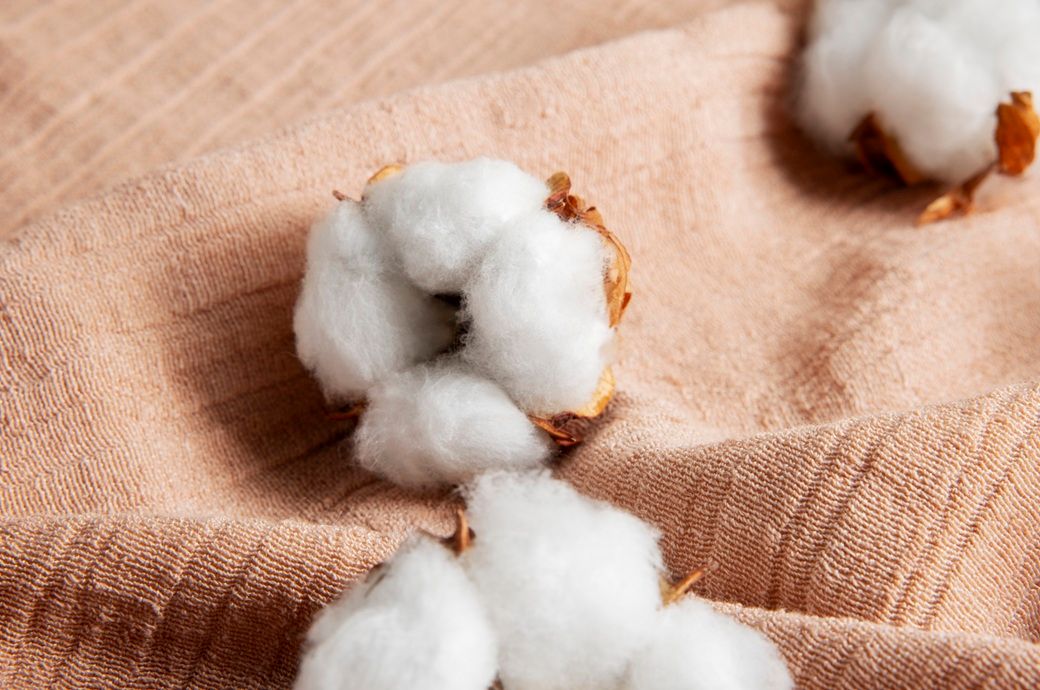
ICE December 2026 cotton settled 42 points higher at 83.31 cents per pound, its third gain this week after recent sharp losses.
US Upland cotton net sales rose to 230,517 bales in the week ended September 17, supporting futures as harvest supplies advance.
China reserve auctions showed strong uptake, but softer domestic spot indices and lower crude oil may limit cotton’s recovery.Read More

25.09.2026Comments Off
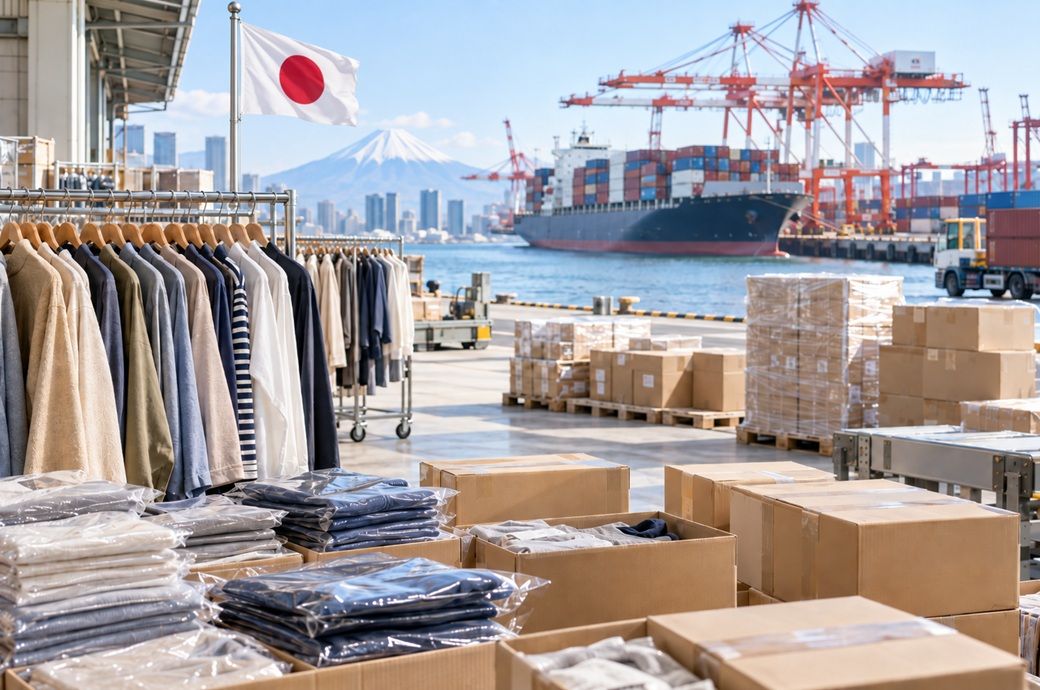
Japan’s apparel imports grow 6.6% to $2.3 bn in July 2026

Japan’s apparel and accessories imports rose 6.6 per cent year on year to 371,963 million yen (~$2.36 billion) in August 2026.
Textile yarn and fabric imports climbed 16.9 per cent, while exports grew 10.4 per cent during the month.
Textile machinery exports rose 24.0 per cent to 27,984 million yen in August and 11.7 per cent to 160,129 million yen in January-June 2026.Read More

25.09.2026Comments Off
India’s FY27 growth forecast raised to 7.1% by OECD

India’s economy is projected to grow by 7.1 per cent in FY2026-27, retaining the strongest G20 outlook after an OECD forecast upgrade.
US growth is forecast at 2.2 per cent in 2026, China’s at 4.5 per cent and global growth at 2.9 per cent.
Higher energy costs, trade uncertainty and inflation remained risks, while resilient domestic demand supported India’s economic momentum.Read More

25.09.2026Comments Off
Europe 2026 growth forecast lifted on resilient demand: S&P Global

S&P Global Ratings now expects eurozone and UK GDP to grow 0.9 per cent and 1.3 per cent in 2026, respectively, after stronger demand.
The upgrade signals firmer near-term European consumer markets, but savings-led spending may fade as fiscal support expires.
For sourcing and retail planners, stickier inflation, higher rates, gas assumptions and currency shifts keep risks elevated.Read More

25.09.2026Comments Off
Bangladesh Bank keeps rate unchanged at 9.5% amid inflation pressure

Bangladesh Bank has kept its policy interest rate unchanged at 9.5 per cent as it assesses domestic and global shocks affecting inflation and growth.
The MPC noted easing headline inflation but flagged risks from Middle East conflicts, higher fuel prices and the new national pay scale.
For textile and apparel supply chains, borrowing costs remain unchanged while energy volatility stays a key risk.Read More

24.09.2026Comments Off
Apparel M&A opens a new sourcing power equation for suppliers

Deals from August 10 to September 1 link Marc Jacobs, Untuckit, Roots and Edward Segal in apparel and textile M&A.
Marc Jacobs and Roots separate brand stewardship from operating execution, while Randa keeps Untuckit stand-alone.
Capstone Partners says five leading brand aggregators have announced or completed 29 apparel, footwear and accessories acquisitions since 2023.Read More

24.09.2026Comments Off
Can Indonesia keep importing $4.56 bn of fabric for $8.7 bn apparel?

Indonesia imported $4.56 billion of fabric in 2025 and exported $801 million, leaving a $3.76 billion deficit.
Apparel exports reached $8.70 billion against $665 million of imports, generating an $8.04 billion surplus, with the US buying 56.4 per cent.
Jakarta is considering state-backed textile capacity, but mills must compete on price, quality, specifications and delivery.Read More

24.09.2026Comments Off
EU Philippines FTA opens €514 mn apparel sourcing opportunity

EU-Philippines FTA talks reached substantial agreement on September 22, 2026, with over 94 per cent of tariff lines expected to be liberalised.
TexPro shows H1 2026 EU27 imports from the Philippines up 45.8 per cent in HS6110 sweaters, 16.7 per cent in HS6203 and 10.0 per cent in HS6204.
Rules of origin, capacity and compliance will decide if preferential access becomes durable EU business.Read More

24.09.2026Comments Off